

When it comes to home security screens, installation isn’t the “last step” — it’s part of what makes the product work. If a security screen door or security window screen isn’t fitted and anchored properly, you can lose real-world performance, create weak points a would-be intruder can exploit, and in some cases complicate warranty and compliance paperwork, especially with regulations and standards specific to Australia.
This guide explains what’s realistic for DIY security screen installation, what’s best left to professionals, and how to protect your fresh air lifestyle without compromising safety.
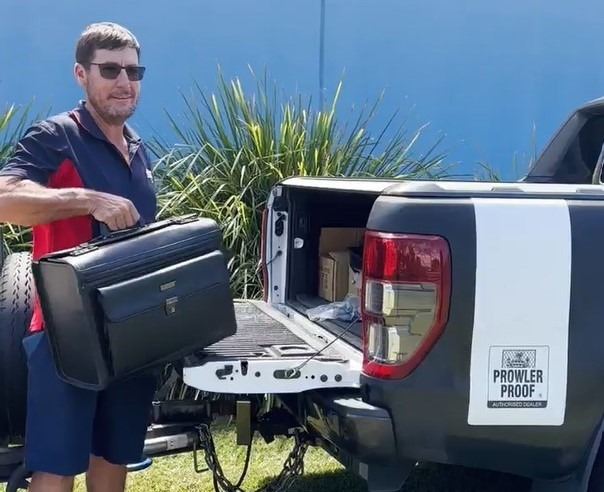
Important note: Prowler Proof security screens are supplied through authorised dealers and ordered for professional installation, they’re not sold direct for DIY fitting. That protects performance, warranty coverage, and compliance outcomes.
Overview of security screens for home security and fresh air
Security screens are designed to protect the openings you rely on most, doors and windows, without forcing you to close your home up. For Brisbane homes, they’re a practical way to keep fresh air, airflow and cross-breezes while adding a strong barrier against unwanted visitors. Modern security screens are also designed to complement contemporary home styles, blending seamlessly with the look of modern Australian homes.
Key benefits for homeowners:
Home security at the entry points that matter: a visible barrier that can deter opportunistic intruders and slow forced entry attempts.
Fresh air advantages: enjoy ventilation, natural light and breezes while keeping doors open.
Insect protection: many systems also reduce pests and improve day-to-day comfort, especially in summer.
Free measure and planning
A free measure is one of the easiest ways to avoid expensive mistakes — especially if your doors and windows aren’t perfectly square (most aren’t). Having a knowledgeable person conduct the measure ensures accurate planning and provides expert advice tailored to your DIY security screen installation.
Why a free measure helps
Confirms whether you’re retrofitting or need a new-installation plan
Flags alignment issues early (frame twist, swelling timber, uneven reveals)
Helps match the right product range to the opening and usage
Australian Standards and compliance
For security screens, Australian Standards matter — and installation plays a role in whether a system performs as intended.
It is imperative to ensure that your purchase is compliant and installs align with the relevant standards for the security screen industry (AS5039 for security screen doors/windows):
AS5039.1 covers the manufacture of the product,
AS5039.2 covers the installation of the product, and
AS5039.3 ensures that products have passed rigorous test procedures to verify compliance with the Australian Standards.
Miza Security is proudly a member of the National Security Screens Association (NSSA), so you can be guaranteed that we are installing Prowler Proof security screens to the highest quality.
How to record compliance documents
If you ever need this information for insurance or future resale, it makes life easier and reduces disputes. Keep:
Itemised invoice
Product range/model (security screen doors / window screens)
Warranty documentation
Installer details (business name, date, address)
Any specifications provided at install
Preparing door frames for security door installation (what a professional checks)
Before any security screen door goes anywhere near your home, a professional installer checks the opening is suitable and stable — because a security door is only as strong as the structure it’s fixed into.
A standards-minded installation may typically include:
Frame integrity check: looking for movement, rot, corrosion, swelling timber, cracks, or previous repairs that could compromise fixings
Storm protection assessment: evaluating the frame’s ability to withstand storm conditions and protect against wind-borne debris, ensuring enhanced safety and durability during severe weather
Squareness and plumb: confirming the opening is level and true, and identifying where packing or adjustments are required
Fixing substrate assessment: verifying what the installer is actually anchoring into (timber, steel, brick, rendered masonry) so the correct fixings and method are used
Clearance planning: ensuring the door can open and close cleanly without binding, scraping, or stressing hinges over time
Hardware planning: confirming lock position, handle clearance, and strike plate location before anything is permanently fixed
This is where DIY often fails — not because people aren’t capable, but because these issues aren’t obvious until the door starts dropping, the lock stops engaging, or a weak fixing point is exposed under pressure.
Professional installation of a security screen door (what installers do under the Australian Standards)
For true security screens and doors, the installation process is part of compliance and performance. With Prowler Proof, the product is dealer-supplied so it is ordered and custom manufactured to suit the specific opening, then installed professionally — it’s not a retail “buy it and fit it yourself” product so you can be assured that it is as secure as possible.
A professional installation typically involves:
Accurate measuring and verification: confirming measurements on-site so the door is made to fit the opening correctly
System selection to suit the opening: matching the right door/screen configuration to the location and usage (front entry, sliding, laundry, high-traffic areas)
Correct assembly and finishing: ensuring the door frame is up-to-measure, rigid, and finished correctly so it operates smoothly and remains sturdy
Anchoring and fixings matched to the substrate: All fixings are supplied with Prowler Proof products to support compliance at the highest quality. They use and specify industry-leading locks and fixtures that have been tested and perfected, so the system is anchored correctly to brick, timber or steel for genuine strength
Packing and alignment: adjusting for out-of-square openings so the door remains plumb, lock alignment stays true, and the screen seals properly
This is also why we discourage DIY: even small installation errors can create leverage points, misalignment, or weak anchoring — and those are exactly the failure modes that matter when a door is tested under pressure.
Locks and security hardware (installed and aligned for daily reliability)
Locks and hinges aren’t an “extra” — they’re part of the system. A professional installation focuses on:
Correct lock choice and placement for the door type and household usage
Strike plate alignment so the lock engages cleanly (no forcing, no half-latching)
Hinge selection and reinforcement to reduce door drop over time
Smooth operation checks so the door is secure and practical (people actually use it properly when it works beautifully)
Testing, quality checks, and paperwork
A professional installer doesn’t just check that the door closes — they check that the whole system is behaving like a security product should:
Door opens/closes smoothly without rubbing or binding
Locks engage consistently and securely
Hinges feel stable and there’s no flex or rattle
Gaps are controlled and seals are correct
The installation is documented properly (invoice + product details + warranty info)
That documentation becomes your “receipt of truth” later — especially if you ever need to prove what was installed.
Testing, quality checks and warranty
You’re checking for basic resistance to movement, prying points, and fixings that feel loose. A door should feel sturdy and stable, not flexible.
Warranty and documentation
Make warranty terms clear and store:
warranty info
product range details
install date
invoice and installer details
Maintenance, cleaning, and troubleshooting for security screens
Routine care keeps doors looking good and operating correctly.
Routine cleaning
Gentle wash of frames and screens
Avoid harsh abrasives
Rinse after storms if you’re in salt-air areas
Lubrication schedule
Light lubrication on moving parts as needed (hinges/locks)
Don’t overdo it — dust build-up can create issues
Costs, quotes and getting a free measure
Costs and price can vary depending on:
door type (front, sliding, new door etc.)
number of windows and doors
lock upgrades (including any triple lock options)
complexity (double-storey installs, unusual openings)
Hiring professional installers vs DIY security screen installation
DIY can be tempting, but security screens are not a “basic weekend job”. Hiring professionals ensures a smooth and positive experience from the initial enquiry through to installation, providing expertise and peace of mind.
Pros of hiring licensed installers
Correct fit and anchoring
Correct hardware selection
Cleaner finish and smooth operation
Documentation and warranty clarity
Faster turnaround with fewer “surprises”
Standards and compliance
Professional installation helps ensure the product is installed as intended and that you have clear paperwork that matches what was installed.
When to outsource complex installs
Consider professional installation if you have:
uneven or damaged frames
complex sliding configurations
multiple doors/windows across the home
heavy daily usage (kids, pets, busy households)
Book free measure and choose Prowler Proof quality products
If you’re in Eight Mile Plains or surrounding Brisbane suburbs like Springfield Lakes, Sunnybank, Sunnybank Hills, Rochedale, Wakerley, Redland Bay, Stretton, Calamvale or Manly, Miza Security can help you choose the right solution and install it properly.
Start with a free measure so you know exactly what you need and what it will cost — then select certified Prowler Proof quality products that suit your home, lifestyle and budget. These products are not only secure but also stylish, enhancing the appearance of your home.
FAQs
Yes. Quality security screens and doors can deter intruders because they add a visible barrier and increase the time and effort required to gain entry.
Start with the most-used and most accessible openings: front door and rear/sliding door first, then ground-level or easily accessed windows.
For many homes, yes — they allow fresh air, ventilation and comfort while keeping entry points protected.
Keep an itemised invoice, product details/range, warranty information, and installer details with date and address.
Clear product identification, reputable suppliers, professional installation, clear warranty terms, and documentation that matches what was installed.